Children’s Hearing Tests
Children’s hearing tests and assessments with clear advice and ongoing support designed just for your child. Get early diagnosis for a lasting difference to their speech, learning and confidence.
Did you know that it is legal requirement to be registered with the Care Quality Commission (CQC) when testing children’s hearing? We are one of a small handful of CQC registered hearing clinics in the UK so that you can feel reassured that your child’s care will be safe, effective and caring.

Worried about your child’s hearing?
If your child has started turning up the TV, saying “what?” more often, or struggling to follow conversations in noisy places, it’s natural to wonder whether their hearing might be the cause. Whatever your thoughts, it’s worth getting it checked – and sooner rather than later.
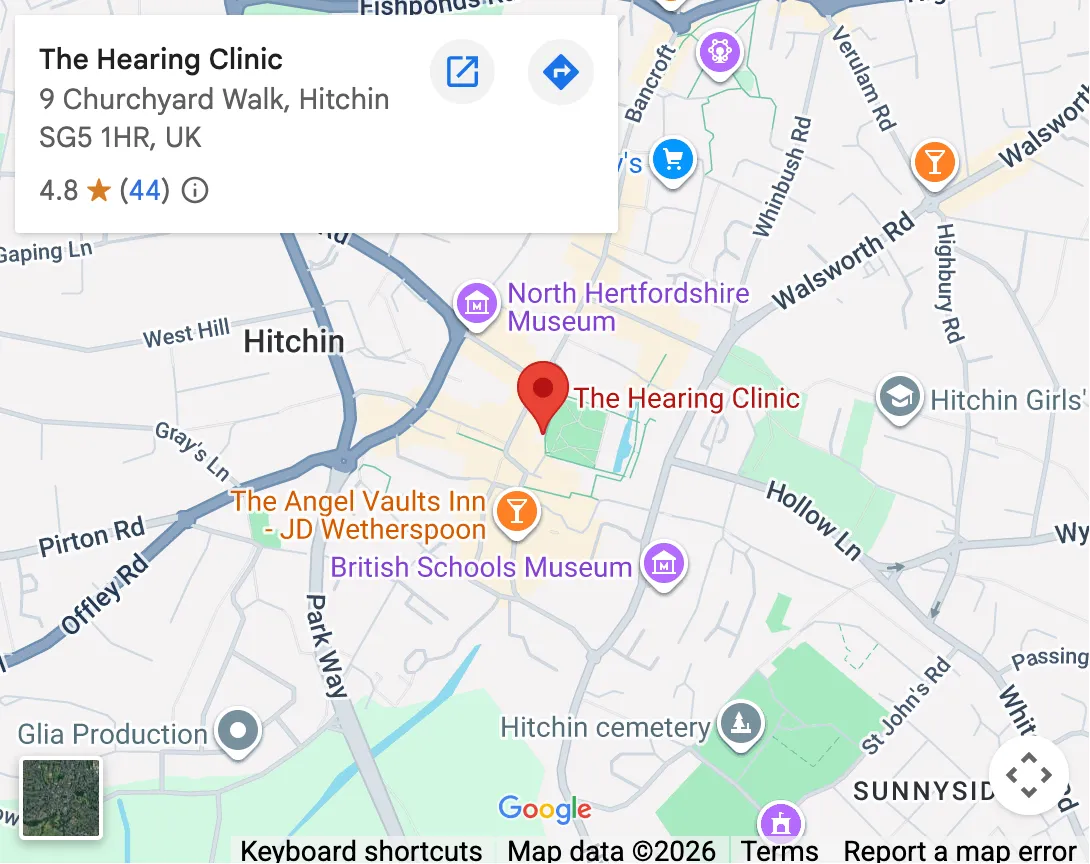
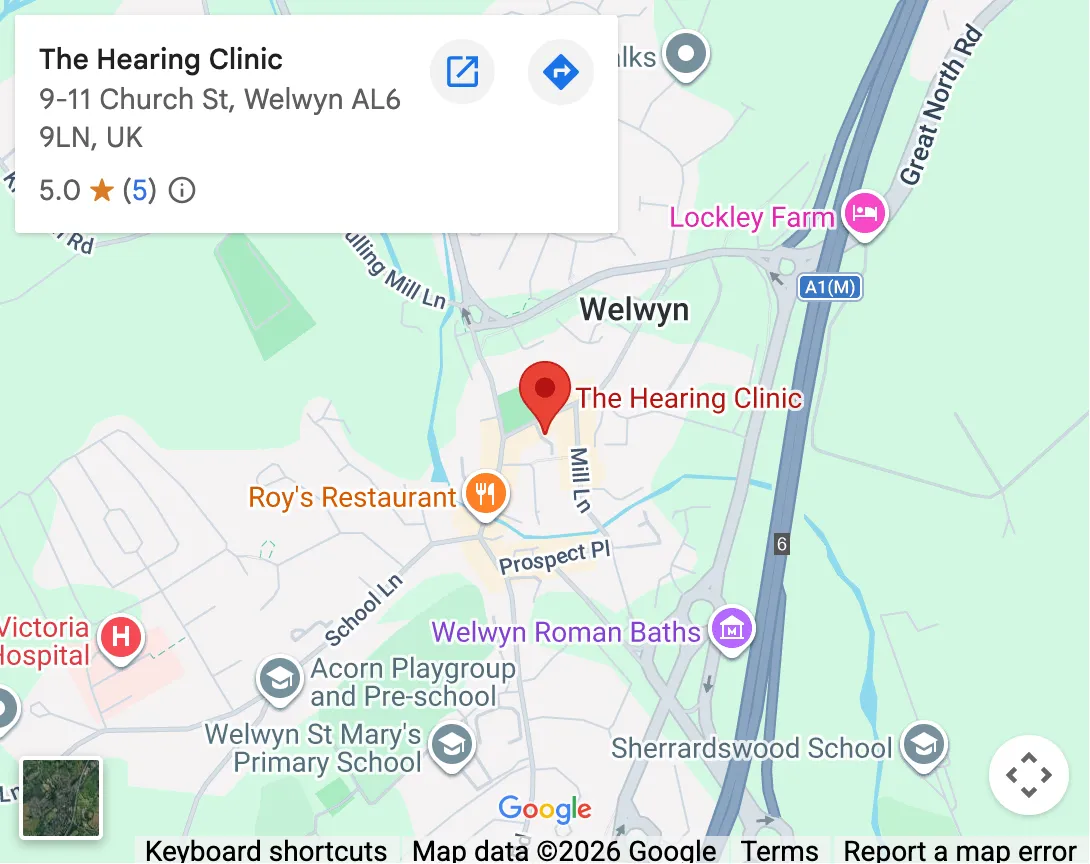
At The Hearing Clinic, we offer hearing tests for children aged four and above at our clinics in Hitchin and Welwyn, with appointments often available within days. Each 60-minute Child Diagnostic Assessment costs £265 and is carried out by a specialist paediatric audiologist. Unlike NHS audiology referrals, which can take months and may feel rushed, The Hearing Clinic’s experts explain results to parents in the appointment and provide a written report with an individualised management plan tailored to your child within a week after the appointment.

Specialist paediatric audiologists – relaxed and child-centred

Child-friendly tests designed to feel like games

Detailed written report you can share with the school

CQC registered clinic ensuring your child’s care is safe, effective and caring.
Signs your child might have a hearing problem
Parents are almost always the first to notice something is off – and your instinct is usually right. You don’t need a GP referral to book with us. If you’ve noticed any of the following, it’s worth booking a child’s hearing test.
- Says “what?”, “pardon?”, or “huh?” frequently
- Appears inattentive or prone to daydreaming
- Talks too loudly
- Becomes unsettled at school
- Struggles with reading, spelling and phonics
- Does not always respond when called
- Has the TV set at a high volume
- Has unclear speech or mispronounces words
- Is often tired, grumpy, frustrated, or overactive
- Struggles to hear over background noise
Children with undiagnosed hearing loss are more likely to fall behind in reading, phonics, and classroom learning. Early assessment with a specialist paediatric audiologist gives parents and schools the information they need to provide targeted support before gaps widen, helping your child stay confident and engaged at school.
What happens at your child’s hearing test?
Every appointment is tailored to your child’s age and how they’re feeling on the day. Our audiologists are experienced in putting children at ease – there’s no pressure, and tests are designed to feel like games, not medical procedures. The relaxed 60-minute appointment allows enough time for your child to settle in and take breaks during testing, if needed. There is also enough time for you to ask questions and discuss the management plan so that you are clear on the next steps for your child’s hearing health.

Ages 4-5: Typanometry and play audiometry
We use fun, game-based tasks in our hearing tests for children – like dropping a ball into a bucket when they hear a sound – to assess what they can hear. We also check to see if your child has glue ear.

Ages 5 and over: Tympanometry, pure tone audiometry, and speech audiometry
In this child hearing test, your child wears headphones and responds to a series of sounds. We may also carry out speech audiometry testing to understand how they are decoding phonemes and speech. In older children, we also carry out speech-in-noise tests to see how well they are processing speech in more complex settings like noisy classroom, the playground or canteen.

At every appointment
At all of our children’s hearing tests, we’ll check your child’s ears, review their history with you, explain everything as we go, and share clear results before you leave. You’ll receive a written report with findings and any next steps. Appointments typically take around 45–60 minutes.
This is what one of our patients has to say about our children’s hearing tests:
“Extremely thorough”
I brought my nine year old to The Hearing Clinic as she has a history of hearing issues and surgeries, she has been fine for a couple of years but we’ve suspected the issues were back. Booking was easy, the lady I spoke to couldn’t have been more helpful. On the day both the person who checked us in and the person carrying out the hearing tests were great. They were really kind and reassuring to my daughter and the checks and tests were very thorough. I felt that we were in good hands. Sadly our suspicions were confirmed and our daughter’s hearing issues have returned, but we left feeling informed and very clear on the results. I would not hesitate in recommending The Hearing Clinic to friends and family.
Peace of mind starts with one appointment
Our specialist paediatric audiologists will give you clear answers – and your child will barely know it’s a test. Appointments available at our Hitchin and Welwyn clinics, often within days.
What causes hearing loss in children?
Hearing loss in children isn’t always obvious, and it doesn’t always mean permanent damage. There are several common causes, each with different signs and treatment paths.
APD is different from hearing loss. Your child may pass a standard hearing test and still struggle to process what they hear. It affects how the brain interprets sound, which can make listening in noisy environments, following instructions, and learning to read genuinely difficult.
Look out for:
- Struggling to hear in background noise
- Mishearing or misunderstanding words
- Difficulty concentrating unless the room is very quiet
- Forgetting longer instructions
- Becoming unsettled or falling behind at school
APD is more common than many parents realise – the NHS estimates up to one in 20 children may be affected. With the right assessment and support, it’s very manageable.
Glue ear is the most common cause of hearing loss in children. It happens when thick fluid builds up in the middle ear, stopping the eardrum from vibrating properly. It often follows a cold, ear infection or allergies, and many parents don’t realise their child is affected until the signs become hard to ignore.
Look out for:
- Frequently saying “what?” or “pardon?”
- Turning the TV up loud
- Seeming inattentive or easily distracted
- Pulling at their ears or becoming more irritable
Glue ear often clears on its own within three months. When it doesn’t, we can explore options including the Otovent balloon device, temporary hearing technology, or referral to an ENT specialist for further management.
Some children are born with hearing differences or develop them as a result of illness, injury, or medication. Premature birth, repeated ear infections, and certain childhood illnesses can all affect hearing – sometimes temporarily, sometimes more permanently.
If your child has had recurring ear infections, a significant illness, or you’ve simply noticed a change in how they’re hearing, it’s worth getting them checked. The earlier a hearing problem is identified, the better the outcomes for speech, language and confidence.
Why choose a private children’s hearing test?
The NHS provides excellent hearing care, but NHS audiology waiting lists are often several months long. For children, that wait matters because hearing difficulties can affect speech, language, learning and confidence at school during that time.
Private hearing tests for children with The Hearing Clinic mean:
- Appointments often available within days
- A full 60-minute appointment, so nothing feels rushed and you have time to ask questions
- A detailed written report you can share with your child’s school, GP or SENDCO
- A clear management plan if a hearing problem is found, including referral to an ENT specialist or Speech Language Therapist if needed
- Continuity of care – you see the same audiologist at follow-ups
What does a children’s hearing assessment cost?
The Hearing Clinic’s Child Diagnostic Assessment costs £265, includes a 60-minute appointment with a specialist paediatric audiologist, a detailed written report, and a clear next-steps plan – covering monitoring, hearing technology, ENT referral, or school support strategies depending on findings. No GP referral is required to book.
If we suspect auditory processing difficulties (APD), we’ll discuss what further assessment involves and what it costs before you commit to anything.
We do not charge for consultations in advance of the appointment. Payment for your child’s hearing test is taken on the day.
Meet Your Experts
Our experienced clinical audiologists specialise in hearing, tinnitus, APD and paediatric care. We focus on personalised clinically-led treatment, taking the time to understand you and support you every step of the way.
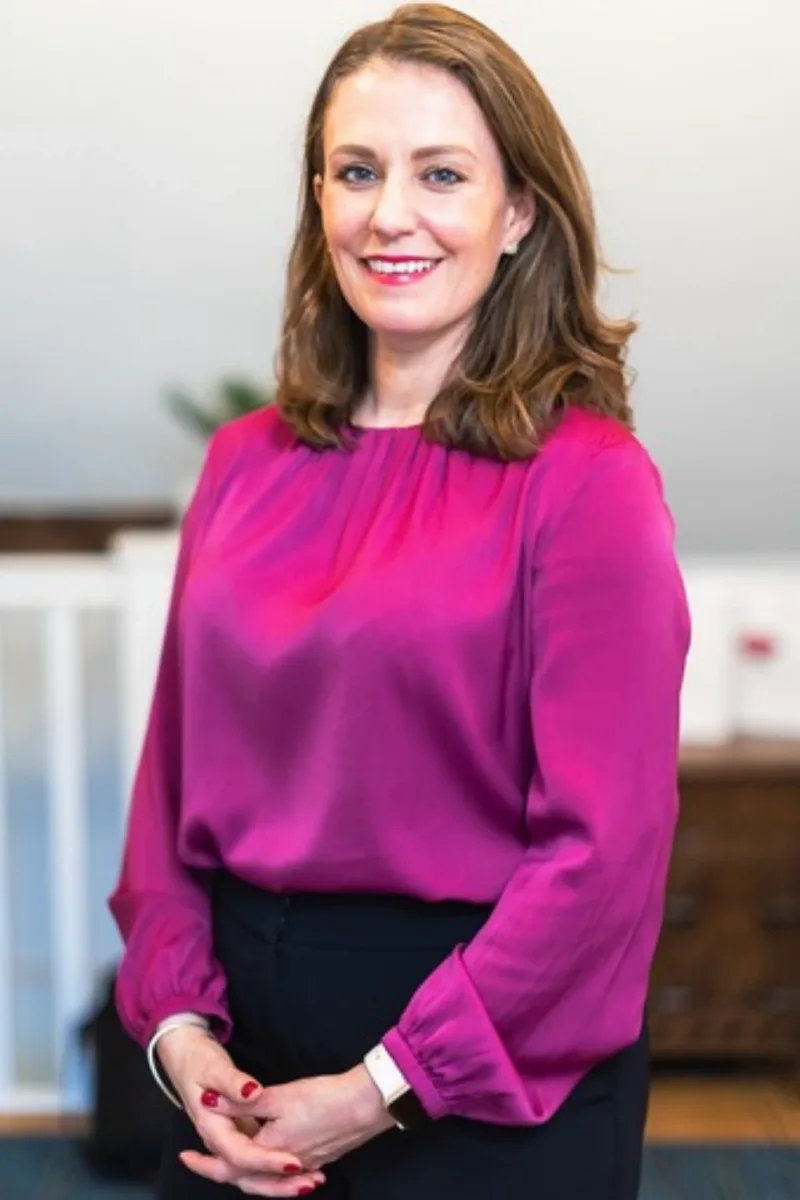
Brigette Harley
Director and Lead Clinical Audiologist
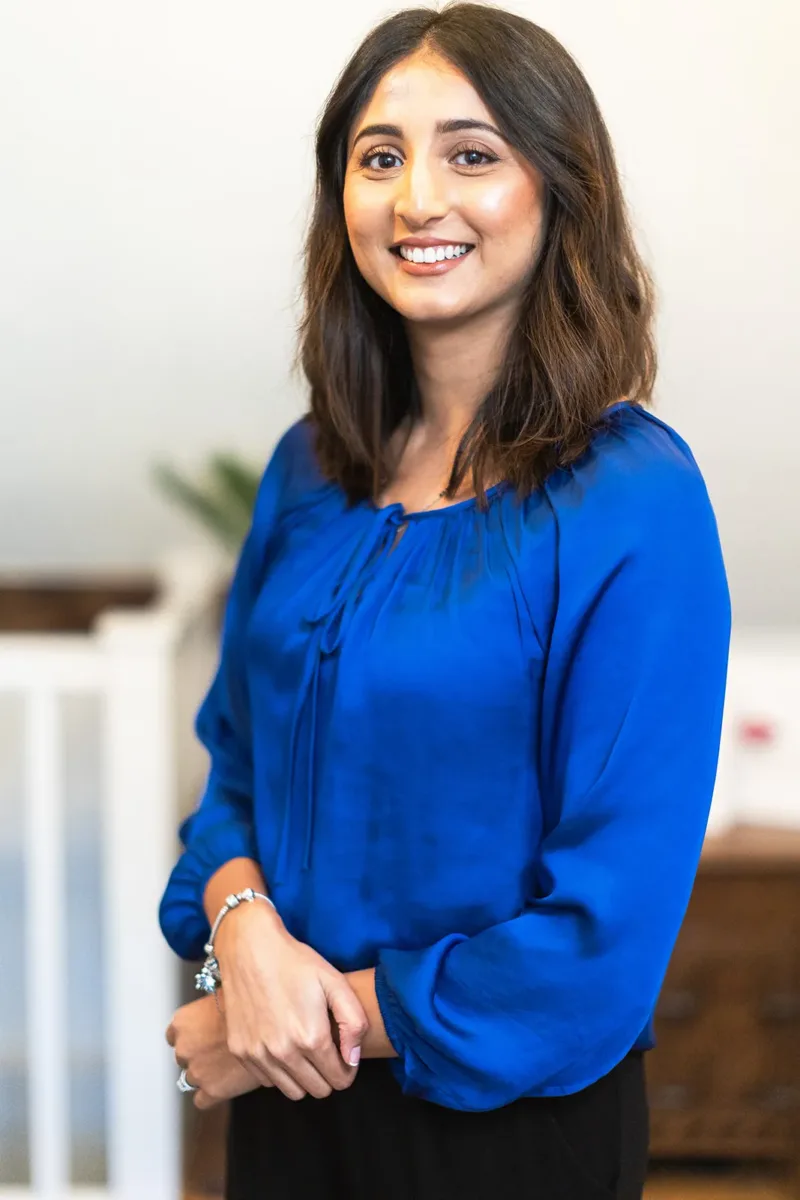
Trisha Patel
Senior Clinical Audiologist & Adult APD Specialist
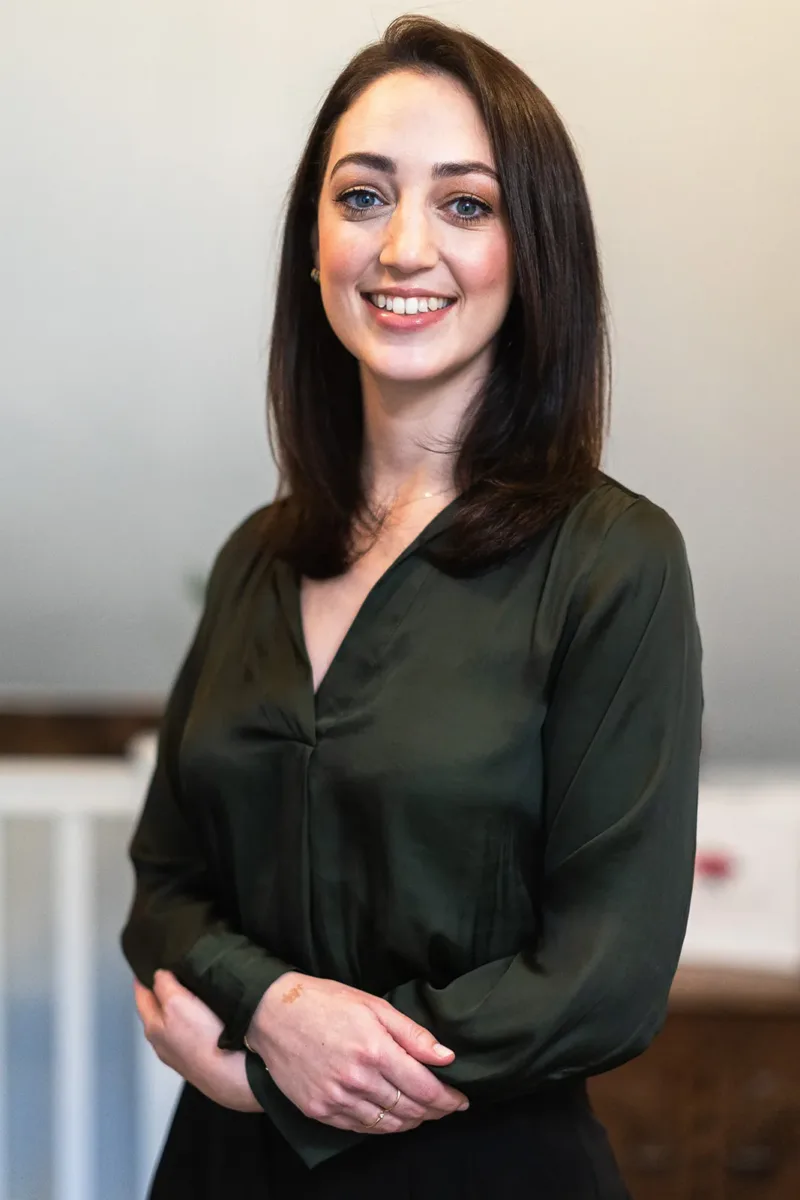
Candice Green
Senior Clinical Audiologist & Tinnitus Specialist
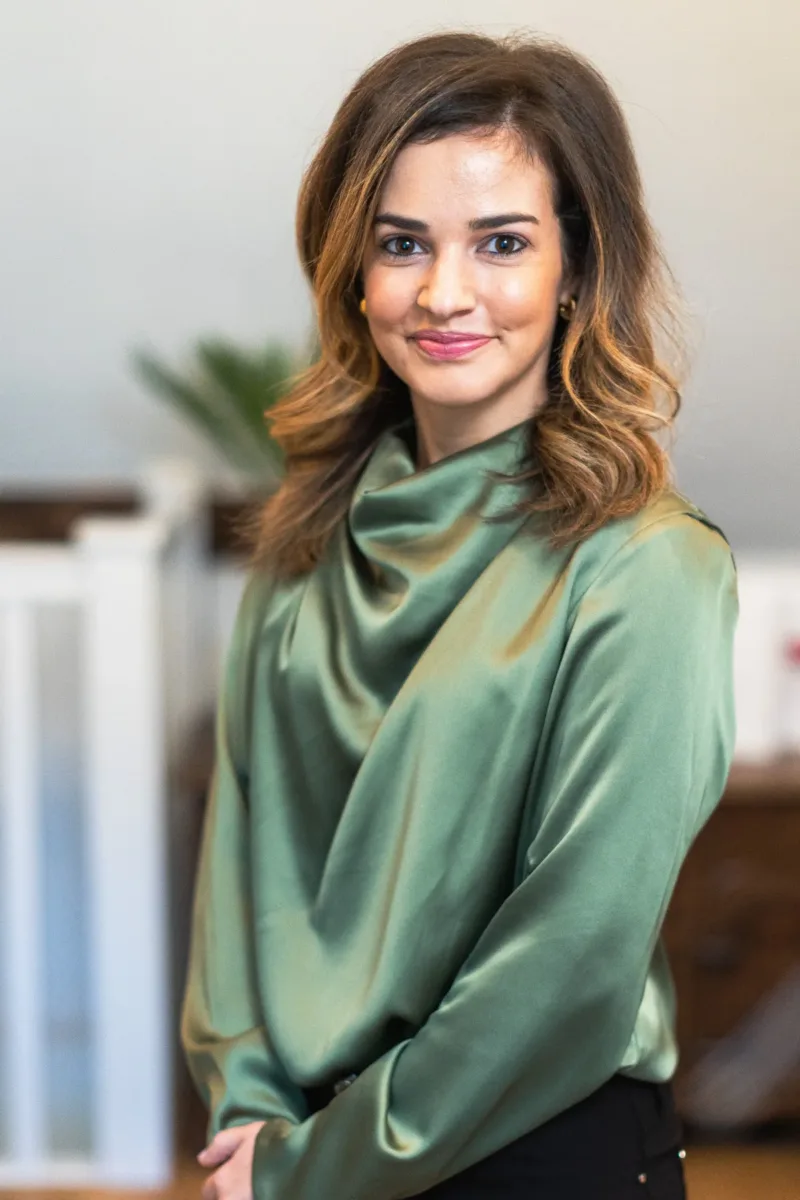
Angelique Da Costa
Senior Clinical Audiologist & Paediatric APD Specialist
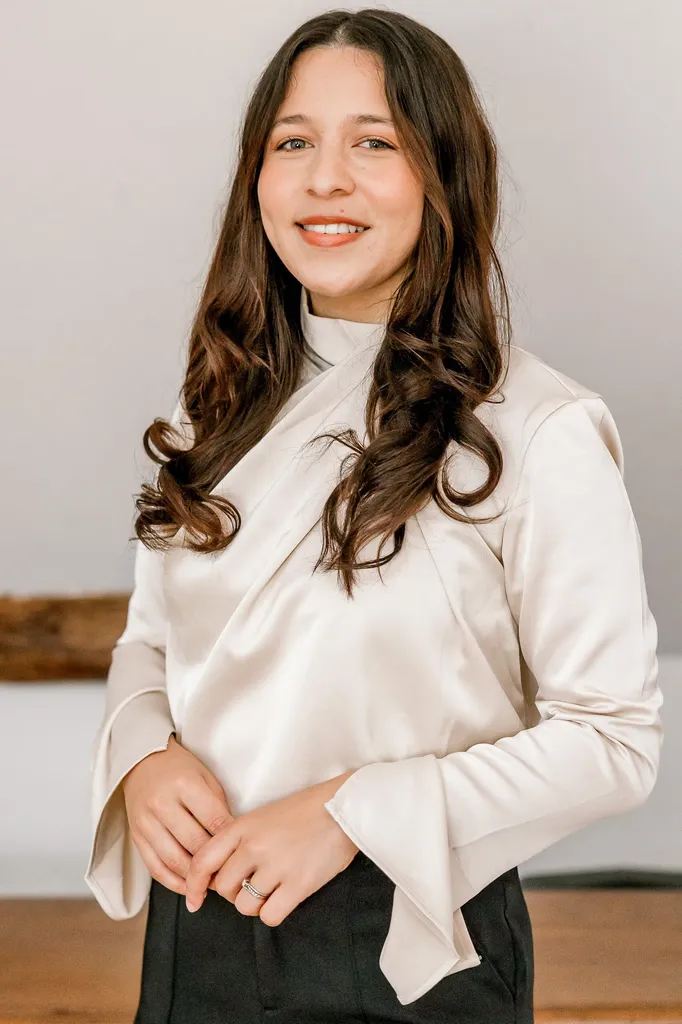
Zhuqeelah Scott
Clinical Audiologist & Hearing Aid Specialist
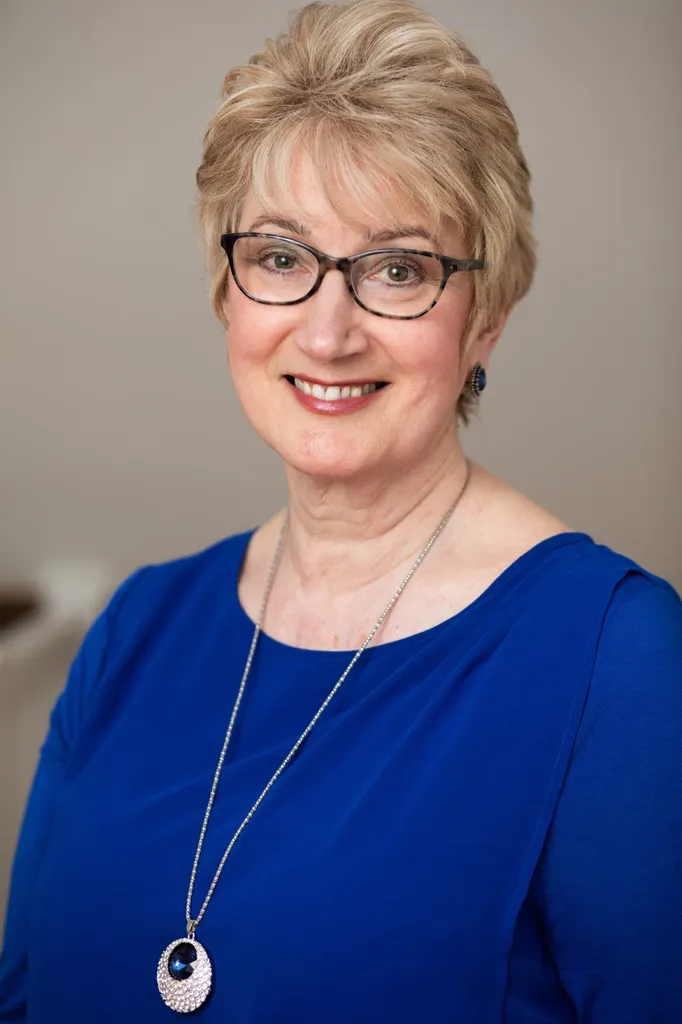
Marion Hall
Secretary
Carol Gillham
Senior Administrator & Practice Manager
Jan Hill
Administration Assistant
Katie Pullman
Receptionist & Senior Administrator
Louise Russell
Receptionist & Customer Relationship Manager
Not sure where to start? We’ll help you work it out
Whether you’re worried about your own hearing, concerned about your child, struggling with tinnitus, or simply want to know what a private assessment involves, our team will answer your questions honestly and point you in the right direction. No pressure, no jargon. Complete the form, and we’ll call you back,

Speak to our team
Still have questions about our hearing tests for children? We’re happy to help.
Whether you’re not sure if your child needs a test, want to know what to expect, or just need to talk it through, our team is here. Give us a call or complete the form below, and we’ll get back to you promptly.
"*" indicates required fields
Frequently Asked Questions
No, you can contact us directly to book an appointment. You don’t need a referral from your GP, though if your GP has already raised concerns about your child’s hearing, it’s worth letting us know when you get in touch.
The Hearing Clinic offers hearing assessments for children aged four and above. If your child is younger and you have concerns, we’d recommend speaking to your GP or health visitor in the first instance – newborn hearing screening is carried out by the NHS shortly after birth. Alternatively we can recommend a local specialist audiology service that sees children from birth to 4 years of age.
A children’s diagnostic assessment typically takes around 45-60 minutes. This gives us enough time to carry out a thorough assessment, talk through the results with you, and answer any questions, without ever feeling rushed.
We’ll explain the results clearly before you leave, and you’ll receive a detailed written report to take away. Depending on the findings, we’ll discuss the most appropriate next steps, which might include monitoring, hearing technology, referral to an ENT specialist, or strategies to support your child at school. You won’t leave without a clear plan.
We aim to offer appointments within days at our clinics in Hitchin and Welwyn. Get in touch and we’ll find the earliest convenient slot for you and your child.
Auditory Processing Disorder (APD) differs from hearing loss in that a child with APD typically has normal peripheral hearing – they can detect sounds at standard thresholds – but their brain struggles to interpret what they hear, particularly in noisy environments. APD affects an estimated 1 in 20 children and is frequently missed by standard school hearing screening, which tests sound detection rather than auditory processing.
Please don’t attempt to remove earwax at home — cotton buds and home irrigation kits risk damaging the ear canal and perforating the delicate eardrum. Earwax usually clears naturally on its own. If it’s causing problems, book an appointment with us for safe, professional wax removal.
-

An amazing insight into what top level hearing care looks like. The hearing solution provided has been life changing.
DA
David

-
Always very professional and prompt service Everyone very pleasant Evironment very comfortable Recommend highly
AM
Anne-Marie Breen
-
I would totally recommend the hearing clinic. They are professional and very knowledgeable but also very friendly and easy to talk to.
LB
Linda Benton
-
Jo was both professional and understanding. She took so much trouble to get my microsuction right, ensuring I was comfortable throughout the process. I now have a much better understanding of my ears and of how to prevent wax building up in future.
RI
Richard
-
I highly recommend the hearing clinic at Harrogate. I was on holiday at the time but managed to get an appointment after suffering muddled hearing for a few weeks. I have had my ears syringed in the past but never micro suctioned, which turned out to be a painless procedure.
CD
Carolyn Dunn
-
This is my third set of hearing aids that I’ve purchased from them — something I wouldn’t do if I didn’t have complete trust in both the technology and the people supporting me. Each time, Claire has guided me towards the right choice for my needs, and the improvement in my everyday life has been remarkable.
WI
Wilson
-
On enquiry I received an appointment swiftly. The service offered was excellent and the practitioner informative, efficient and extremely pleasant. I have booked a further appointment and was extremely impressed with the service. Well done.
MC
Marjorie Cheryl
-
Very caring with my mother who has alzheimers and explained every stage of what was happening in an easy understandable way.
LA
Lee