
Bridgitte Harley
Published on:
15 Jan 2026
Understanding Auditory Processing Disorder: How It Affects Children’s Listening and Learning
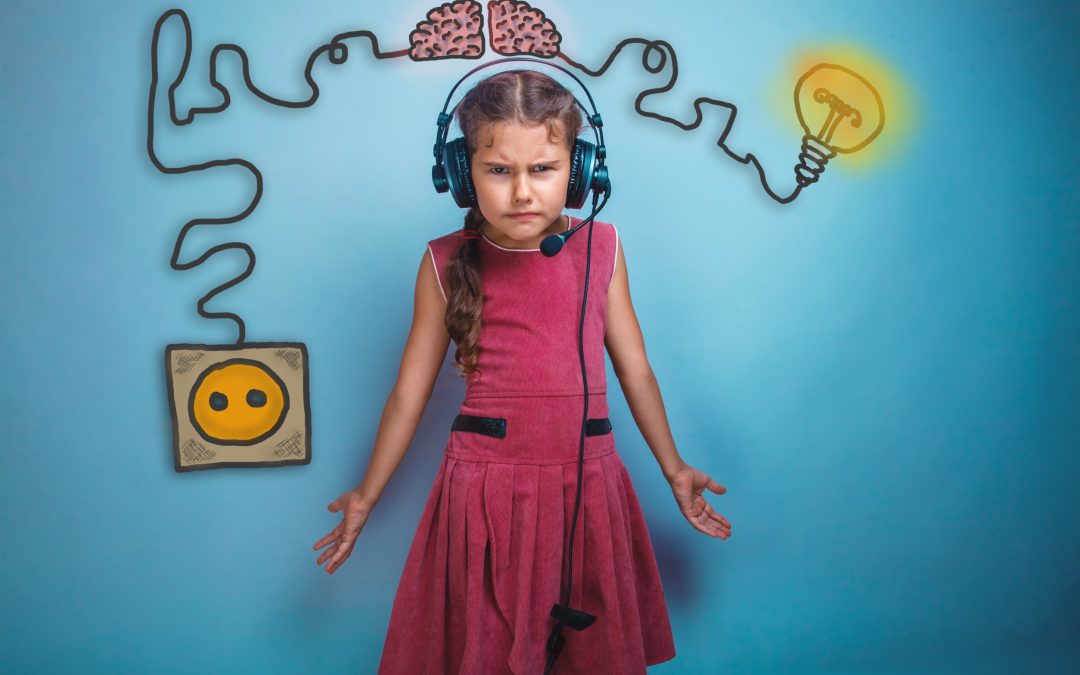
Imagine trying to listen to a teacher’s instructions in a noisy classroom, only to find that words seem to jumble together or slip right past. For some children, this isn’t just forgetfulness — it’s a condition called Auditory Processing Disorder (APD). And it can significantly impact their ability to listen, understand, and learn at school.
What Is Auditory Processing Disorder?
APD isn’t a problem with hearing themselves — it’s a difficulty with how the brain interprets sounds. Children with APD hear well; they simply struggle to process what they hear accurately, especially in challenging environments like classrooms or noisy playgrounds. Think of their ears as excellent receivers, but their brains as needing help to decode the signals correctly.
Risk Factors and Co-Morbidities
While APD can affect any child, several factors can increase the likelihood of developing it:
History of Glue Ear or Ear Infections: Ongoing or recurrent ear issues can interfere with the brain’s ability to process sounds accurately.
Additional Conditions: Children with ADHD, autism spectrum disorder (ASD), or language development delays often experience difficulties with auditory processing. These co-morbidities can compound the challenges, making tailored support even more vital.
Typical Signs of APD in Children
Parents, teachers, and caregivers might notice some common signs that a child could be experiencing APD:
Difficulty following multi-step instructions
Frequently misunderstanding or asking for repetition
Poor listening skills, especially in noisy environments
Struggling to differentiate similar sounds or words
Feeling overwhelmed or frustrated in busy classrooms
Having trouble with spelling, reading, or language development, despite normal hearing tests
Difficulty retaining information heard only once
How We Can Help at The Hearing Clinic
Detecting APD requires a thorough assessment by experienced audiologists. At The Hearing Clinic, we offer specialised testing to evaluate how well children process sounds, helping us identify whether APD is part of the picture.
Once a diagnosis is confirmed, we develop tailored support plans that can include:
Auditory Training: Programs designed to enhance listening skills and improve how the brain processes sounds.
Assistive Listening Devices: low-gain hearing aids that make speech clearer in noisy settings.
Strategies for Listening: Tips on classroom seating, visual cues, and environmental modifications to support learning.
Collaboration with Schools: We work closely with teachers and speech therapists to ensure your child receives the right support.
A Bright Future with Support
While APD can be challenging, early diagnosis and intervention make a real difference. With the right strategies, children can improve their listening skills, thrive academically, and gain confidence in their abilities.
If you’re concerned about your child’s listening or learning, don’t wait — contact us today. We’re here to listen, support, and help your child unlock their full potential.
Because every child deserves to hear and understand the world clearly.
#thehearingclinic


