

Bridgitte Harley
Published on:
6 May 2026
The Hidden Connection: Hearing Loss and Dementia — What You Need to Know
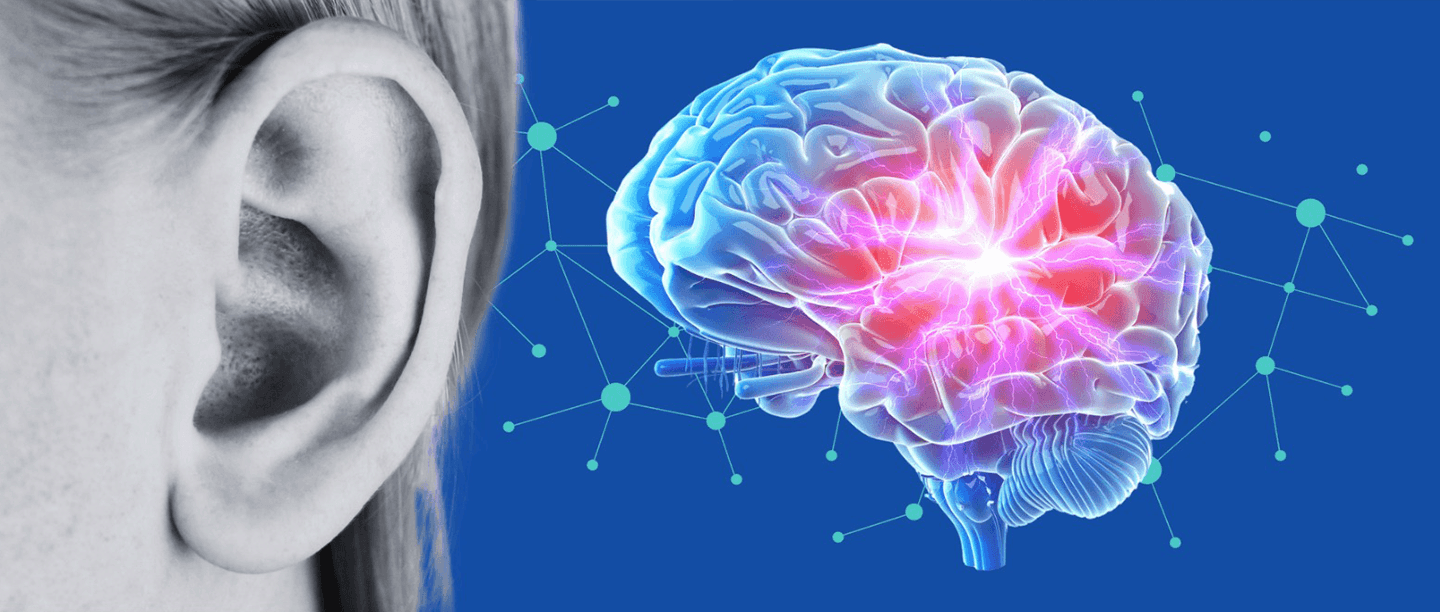
As we observe Dementia Awareness Month this May, one often overlooked factor worth paying attention to is hearing health. Increasing evidence suggests that unmanaged hearing loss may not just affect our ability to hear — it can also be linked to a higher risk of developing dementia. This isn’t about causing dementia, but about understanding the importance of early intervention to support long-term brain health.
The Elephant in the Room: Hearing Loss and Cognitive Decline
When patients ask us, “Will I get dementia?” it’s our job to respond with compassion and facts. While hearing loss doesn’t directly cause dementia, a growing body of research shows a significant correlation between the two.
Recent large-scale studies, such as those by Myrstad et al. (2025) and Jang et al. (2025), have demonstrated that people with untreated hearing loss are more likely to experience cognitive decline. For example, the Norwegian HUNT study found that for every 10 dB increase in hearing loss, cognitive performance worsened — especially in people under 85 (Myrstad et al., 2025). Similarly, research from Korea showed that those with hearing loss had a 24.5% higher risk of developing dementia over three years (Jang et al., 2025).
The Science Behind the Link
What’s happening inside the brain? When hearing diminishes, the brain is forced to work much harder just to process sounds. This increased cognitive load can lead to listening fatigue and stress, which over time might contribute to neurodegeneration — think of it as your brain running a marathon every day just to understand speech (Yue et al., 2024).
Research using pupilometry (measuring pupil dilation) confirms that the effort to listen activates stress responses, which isn’t sustainable in the long term (Oticon, 2023). Chronic stress can damage brain cells and impair memory, setting the stage for cognitive decline.
Why Is Early Treatment Important?
Encouragingly, studies such as the ACHIEVE trial and research by Sarant et al. (2024) highlight that intervening early with properly fitted hearing aids may slow or delay cognitive decline. When people start using hearing aids, they often experience less listening effort, reduced stress, and better cognitive performance.
Sarant and colleagues tracked patients with mild-to-severe hearing loss over three years and found significant cognitive benefits in those fitted with hearing aids. Similarly, the landmark ACHIEVE study showed that hearing intervention slowed cognitive decline by nearly half over three years in at-risk older adults (Lin et al., 2023).
The Bottom Line
Untreated hearing loss can lead to increased mental strain, listening fatigue, social withdrawal, and, potentially, faster cognitive decline. Conversely, managing hearing loss early with professional advice and modern hearing technology — especially AI-powered hearing aids — can reduce this risk, helping your brain stay healthier for longer.
Take Charge of Your Brain Health Today
If you’re worried about hearing loss or noticing difficulties in conversations or noisy environments, don’t wait. Early intervention is key to protecting your cognitive health and maintaining quality of life. Regular hearing tests, and if necessary, hearing aids fitted by experts, can make all the difference.
This Dementia Awareness Month, make a promise to prioritise your hearing health. Because protecting your ears today is an investment in your brain tomorrow. Contact us at The Hearing Clinic to arrange your comprehensive hearing assessment — your future self will thank you.

#thehearingclinic


