

Bridgitte Harley
Published on:
23 Feb 2026
Can Plants Hear Their Pollinators? Exploring Nature’s Hidden Dialogue
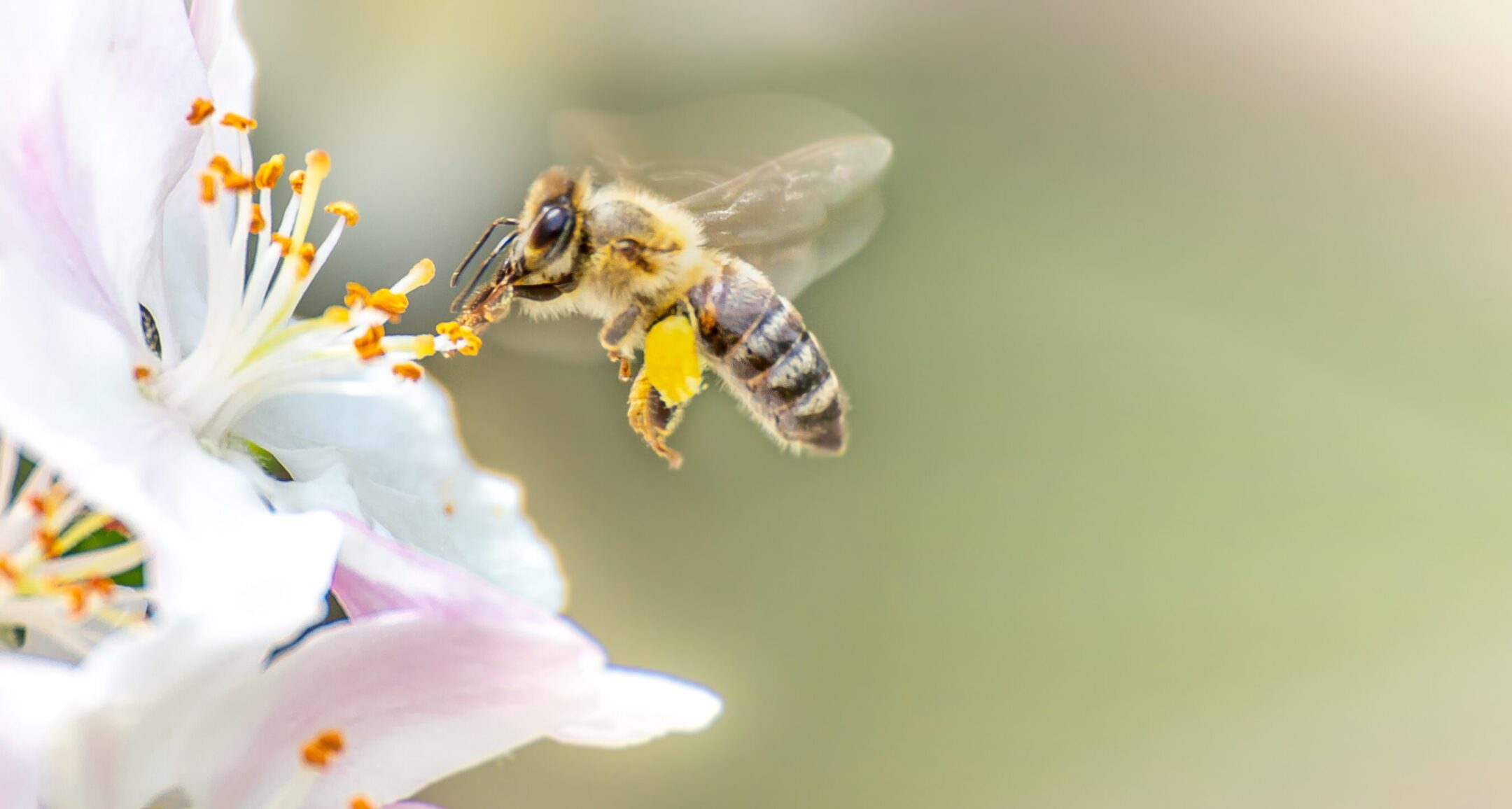
We often think of plants as silent, passive organisms — but recent research suggests they might be more listening than we realised. In a groundbreaking study presented at the recent Acoustical Society of America (ASA) meeting, scientists explored whether plants can perceive and respond to the bussing sounds of their pollinators.
The Quiet Buss of Pollinators
When bees, flies, or beetles visit flowers, they produce a variety of tiny sounds — from wing flapping as they hover to landing and takeoff. These sounds are usually faint, often drowned out by louder environmental noises, making scientists overlook their potential significance.
But what if these vibrations aren’t just background noise? What if plants can actually “hear” these signals and respond accordingly?
How Plants Respond to Bussing
Professor Francesca Barbero from the University of Turin, along with colleagues from Spain and Australia, investigated whether plants can detect and react to pollinator sounds. They used highly sensitive recording devices placed near snapdragons (Antirrhinum majus) and played recordings of busses from a specific bee — Rhodanthidium sticticum — known for its role in pollination.
The results were fascinating. The snapdragons responded by increasing their nectar production and even altering the expression of genes involved in sugar transport and nectar synthesis. Essentially, the flowers were “telling” the plants, “Hey, a good pollinator is here!” as a way to entice more visits — a clever co-evolutionary strategy.
Why Does This Matter?
This discovery suggests that plants may have evolved to recognise the physical vibrations of their pollinators, helping them optimise their chances of reproduction. It also opens up new possibilities: if plants respond to specific pollinator sounds, could we use sound to help attract pollinators to crops or restore declining bee populations?
What Can We Do to Protect Our Pollinators?
While this research is still unfolding, it reminds us of the importance of safeguarding pollinator habitats and minimising environmental noise pollution. Loud, continuous noises from traffic, machinery, or urban environments could potentially disrupt these delicate vibrational communications — with unknown consequences for plant reproduction and food production.
How Can We Help?
If you’re interested in supporting pollinator health and protecting their natural environment, consider planting pollinator-friendly flowers or reducing noise pollution around your home or community.
And for those concerned about their own hearing health or interested in learning more about how sound impacts everyday life, our team at The Hearing Clinic is here to help. We offer expert advice and assessments, ensuring your ears are protected in a world full of sounds.
Want to learn more about how your ears and the environment interact? Contact us today — your hearing health is our priority.

#thehearingclinic


